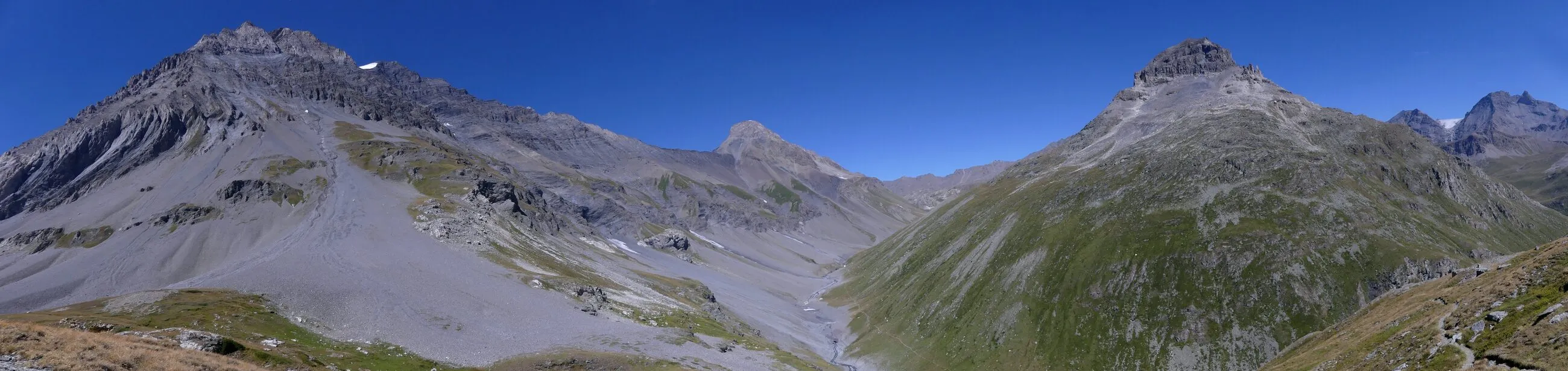
The Vanoise National Park
In 1963, France's first national park was born. In Champagny, it was first a threat, before becoming a blessing.
The letter to the General
In 1960, learning that a vast park was to be created, the inhabitants feared losing their pastures — their only resource. They wrote to General de Gaulle, then President of the Republic:
Champagny, 20 September 1960 — My General,
We are the inhabitants of a small Savoyard village, Champagny-le-Haut, lost in the mountains at 1,500 metres. It seems that a vast national park is to be created in the region. Part of the commune […] is to be taken into this park, one day depriving us of the right to graze our herds of cows and goats there — our only resource. […] There is also the hunting. Our sons love to hunt, for it is their only possible pastime in our little village at the end of the world. What will be left to them, who already lead such a hard life? To go and get drunk at the tavern? A fine social result! We are not against the principle of creating the national park, even if it interests only a few. We ask only for a small adjustment to the planned boundaries, so that we may live.
A hundred years ago, our grandfathers and our fathers voted with joy and pride to join France. And now this France, for a whim of no public interest whatsoever, would strip us of our age-old means of existence, which no one touched before it — not even Italy. You cannot let this happen, my General! […]
— Letter from the people of Champagny-le-Haut to General de Gaulle, 20 September 1960
The story goes that their plea was heard. General Chambe stood by them through the venture, and the Vanoise National Park was born in 1963.
The converted poacher
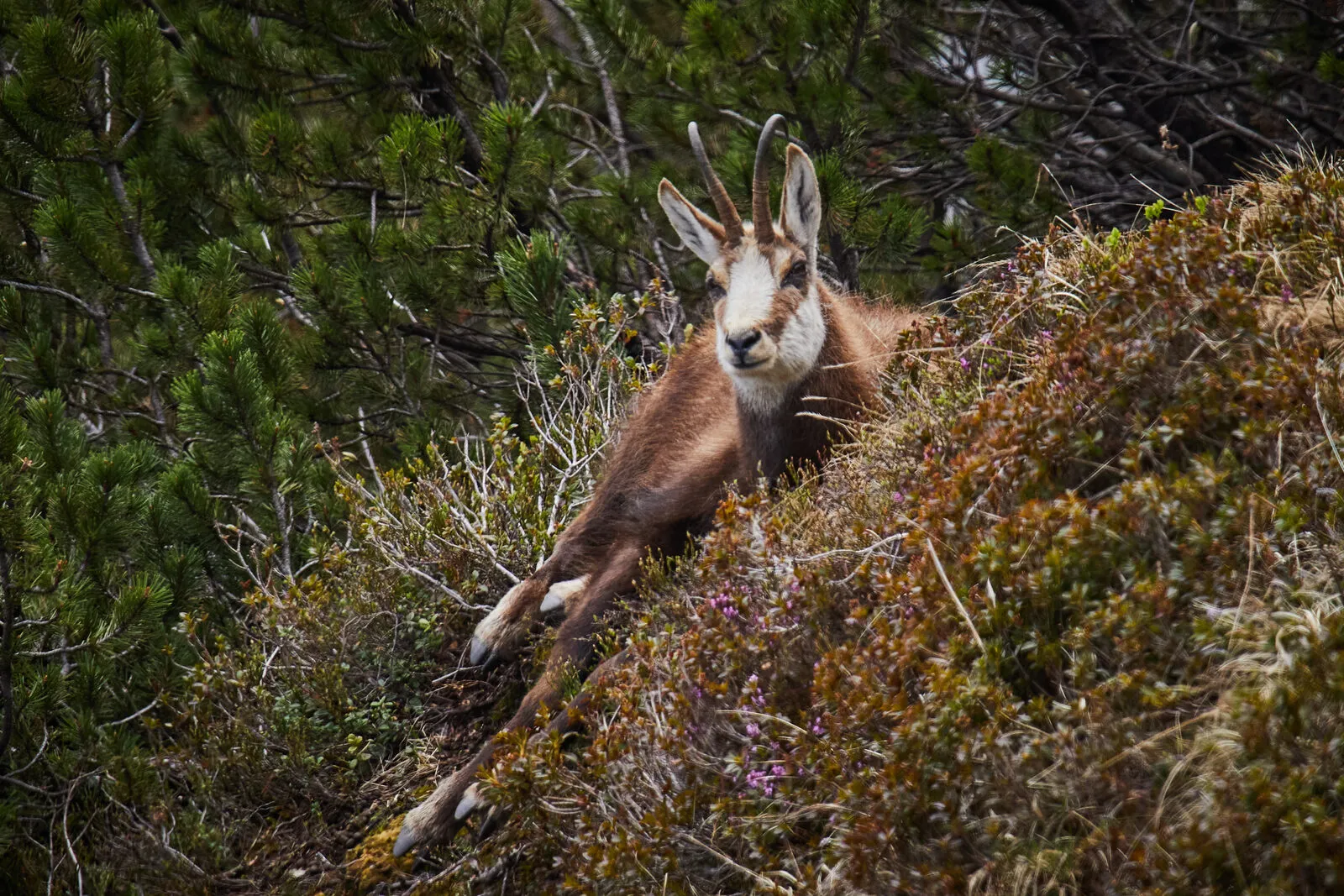
Michel was a hunter of chamois and marmots. He was wary of the Park — and came, in the end, to acknowledge its benefits.
« Around the 1960s and before, there were almost no chamois or marmots left. This reserve has been a blessing; without it we would have no game. Tourists are delighted to see these colonies of chamois, ibex and marmots. »
— Michel Ruffier-Lanche
Today there are more than three hundred chamois, nearly two hundred ibex, and whole colonies of marmots.
Chamois and marmots
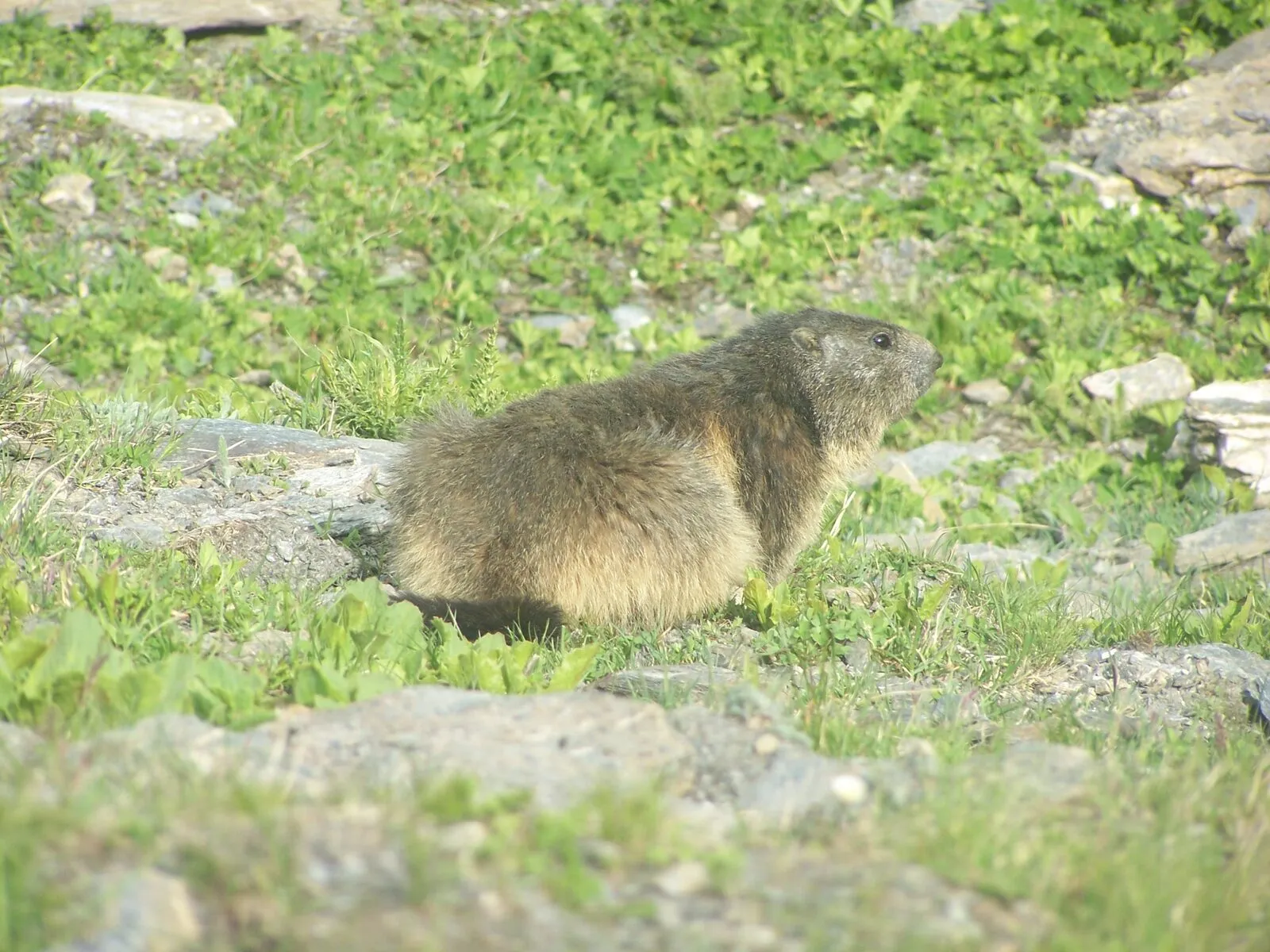
Michel knew his animals better than anyone. The chamois, he said, eats early then naps in the shade of rocks or on snowfields; its sense of smell is immense and it can leap ten metres. The marmot has twenty-two teeth and hibernates for six months, its breathing reduced to one breath every three minutes; the first to see danger whistles, mouth open, and all dash back underground.
The dandelions
One last tale Michel loved to tell. One day in 1994, a park ranger caught him, a large sack on his shoulder, coming down from the Plan de la Tueda.
« — I must inform you that picking is strictly forbidden in this reserve. — Ranger, sir, they are dandelions, only little dandelions… — You are from Champagny-le-Haut! I could have fined you 900 francs… But you are from Champagny-le-Haut. »
— After the account by Jean-Marie Claveau, 23 May 1994