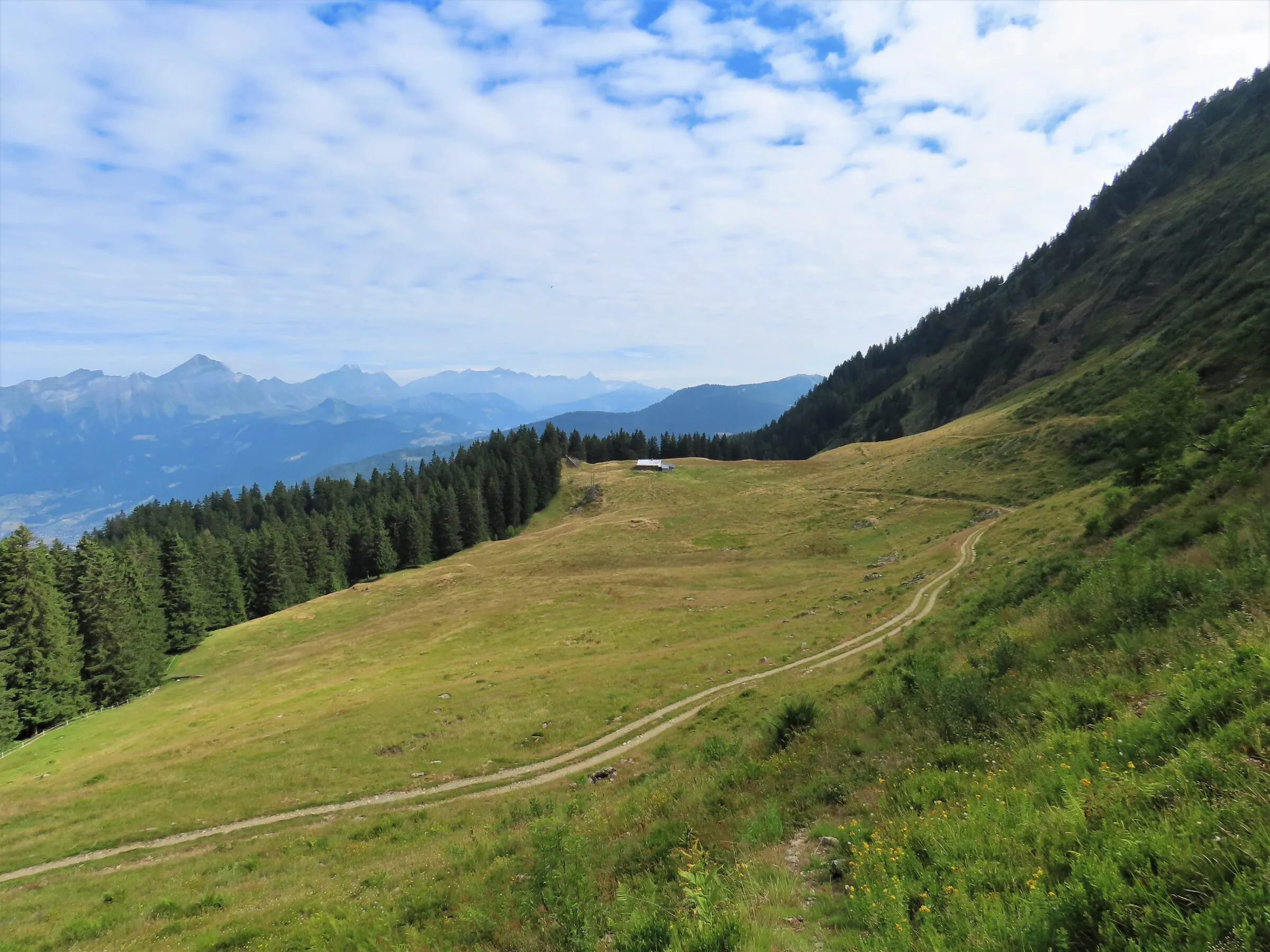
Through the seasons
A Champagny peasant's life followed the relentless rhythm of the seasons. No two months were alike.
Winter, in the stables
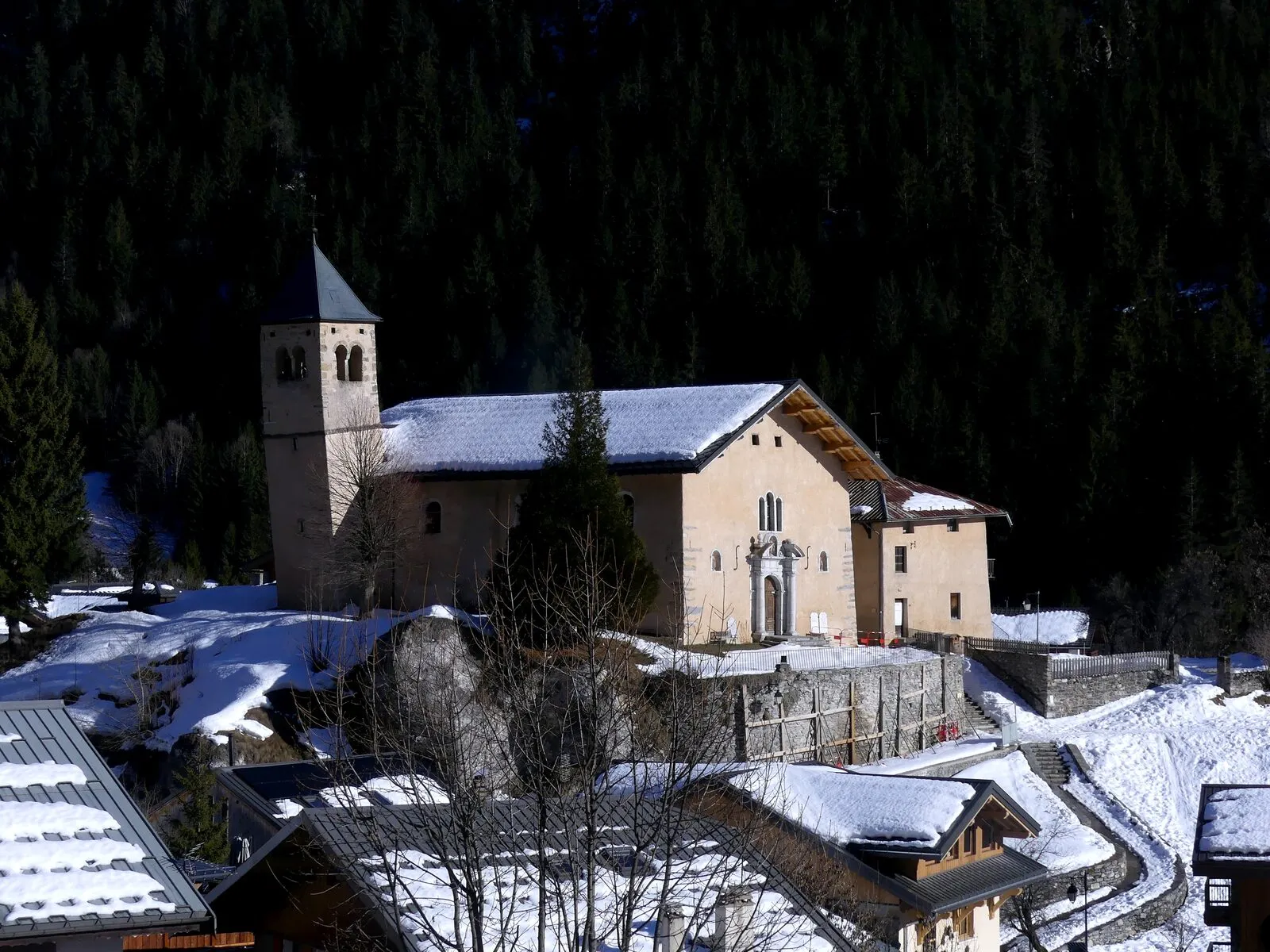
From 20 November to 20 January, the sun did not return to the villages. People kept vigil — and often slept — in the stables, for warmth. The dining room itself was there: tables, stove and beds, among the animals. The women spun and carded wool by hand; the men played cards or taught the children. In the evening, the grandmother led the prayer, the whole family on its knees.
Electricity came only in 1927. Water had to be fetched from the Doron — a cow drinks thirty litres in the morning and thirty in the evening.
The spring of toil
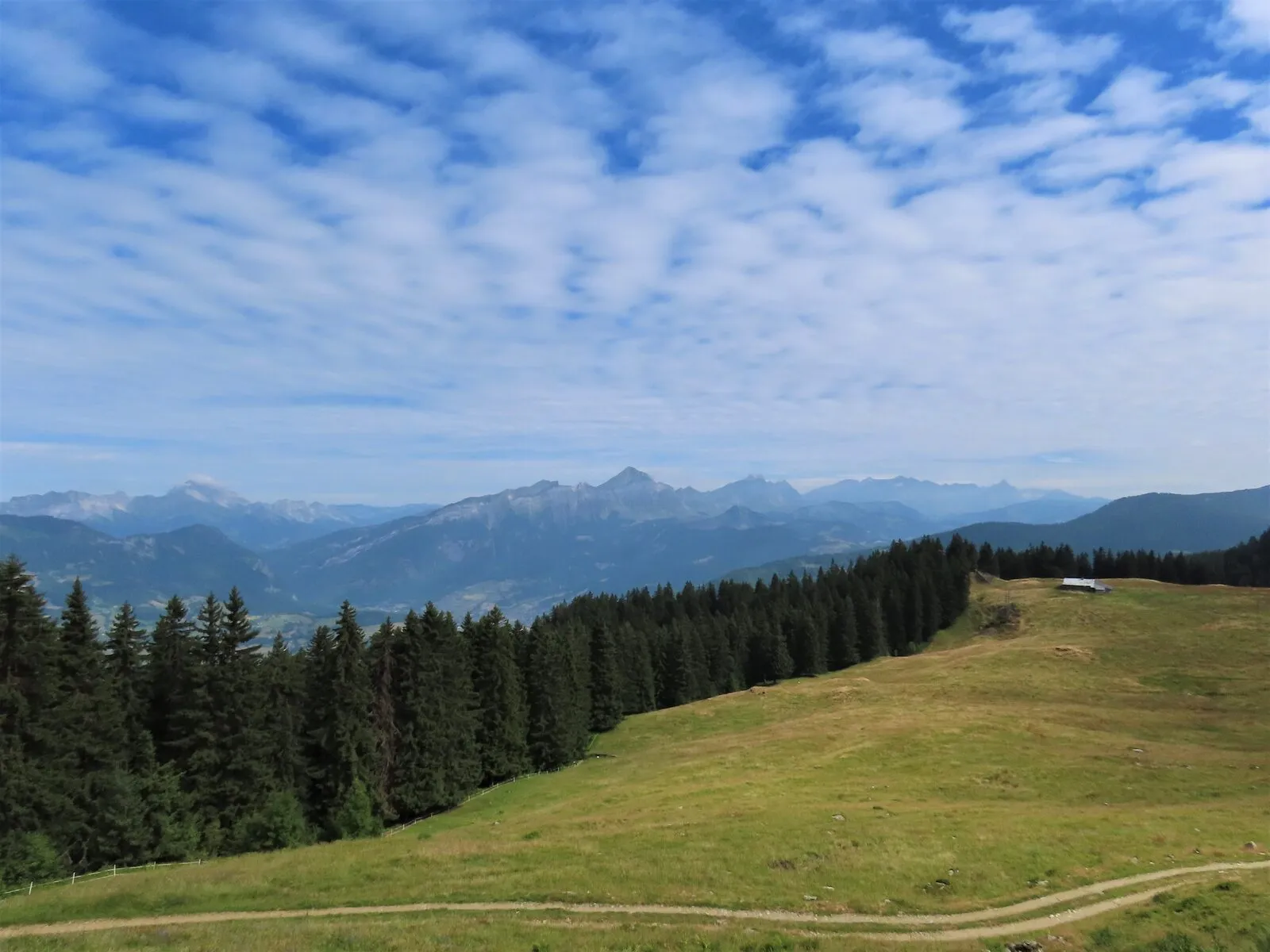
In March, the winter's manure heaps were cleared and carried to the fields. In April came the ploughing, with two mules, hauling tonnes of earth up the steep slopes by stretcher. In May, the animals came out after six months in the stable.
Sometimes a goat would be trapped on a cliff. Then the men roped up — 20, 50, 100 metres of knotted rope — to go and free it.
« We were true mountaineers, crossing overhangs of 300 to 400 metres. Ice axes were unknown; we climbed with our hands, shod in wooden clogs studded with nails. We had no fear of heights. »
— Michel Ruffier-Lanche
The summer of hay and high pasture
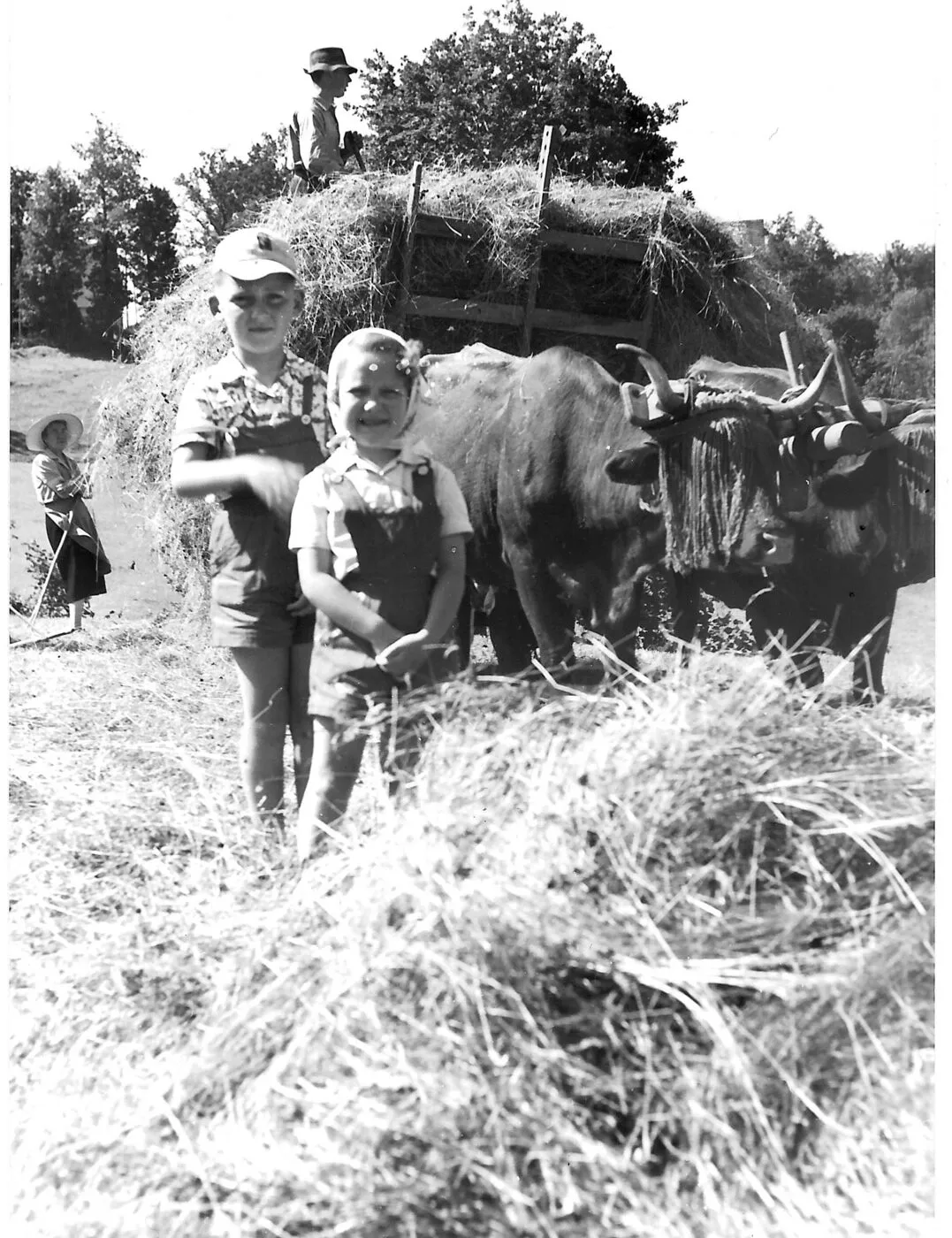
Around 20 June came the move to the high pastures. Then July, the month of haymaking: setting off at first light, mowing with a scythe, and carrying the fifty-to-seventy-kilo bundles down on one's back. In August, the harvest — rye, barley, oats — threshed with a flail, winnowed by hand.
Autumn, and winter returning
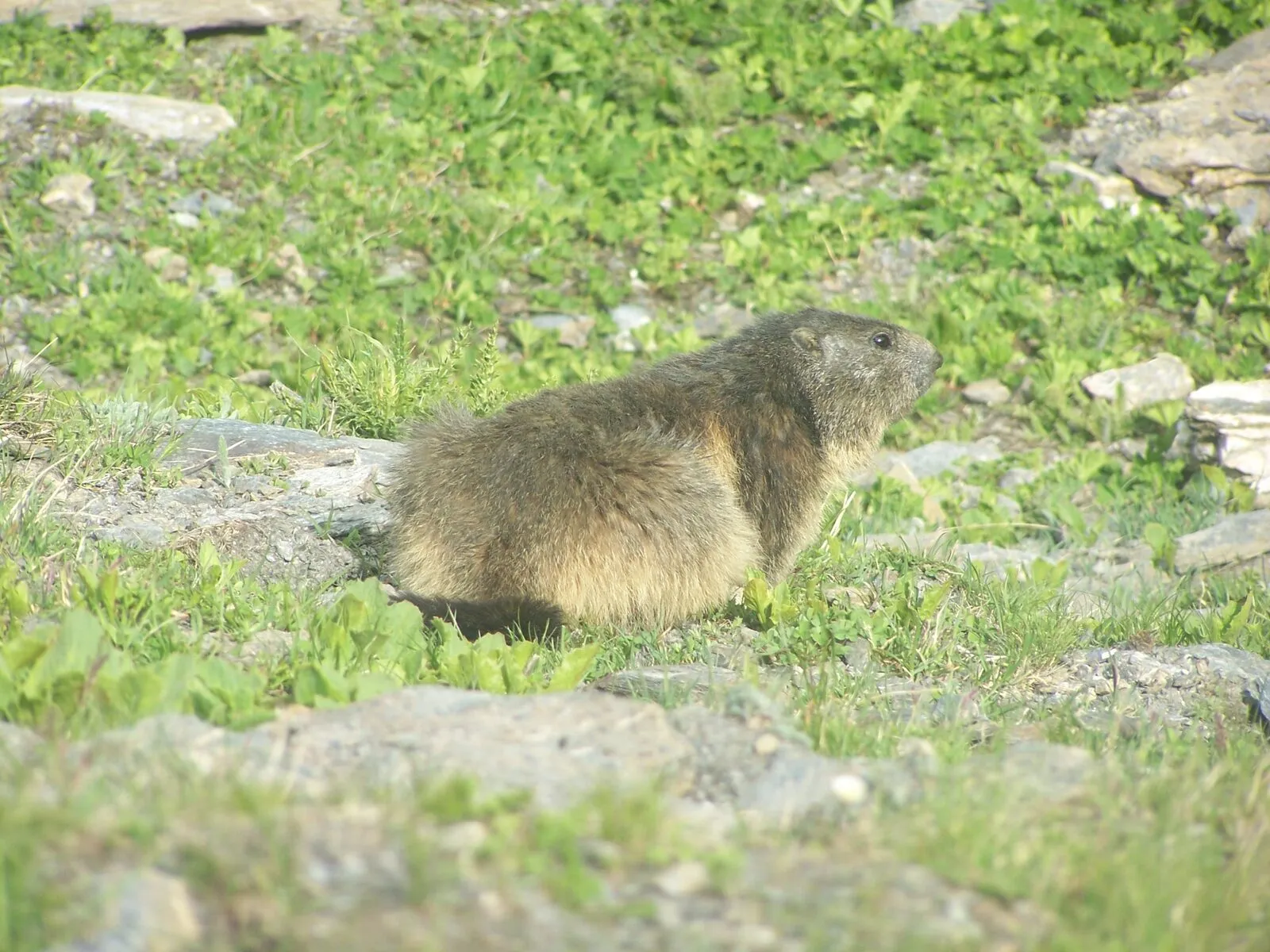
In October, potatoes were dug up by pick, sacks of fifty to eighty kilos carried from the bottom of the village to the top. In November, groups of three or four set off at three in the morning to unearth marmots at 2,500 metres — for food and for their skins. In December, the pig was killed: fifteen or twenty gathered for the feast.
The fairs
They also had to sell. People walked the ten kilometres down to Bozel, around 10 June, a cow on a lead, a few goats behind. Cattle dealers in blue smocks came from all over Savoie, their wallets hidden under their coats. If an animal did not sell, they set off for Moûtiers the next day — and sometimes climbed back up that evening, empty-handed, all the way to Champagny-le-Haut on foot.
Every cow had a name, and a bell: Valence, Jolie, Reinette, Moscou, Papillon, Venise, Charmante, Beauté. The chiming of a whole herd, climbing to the pasture, was a feast for the ear.